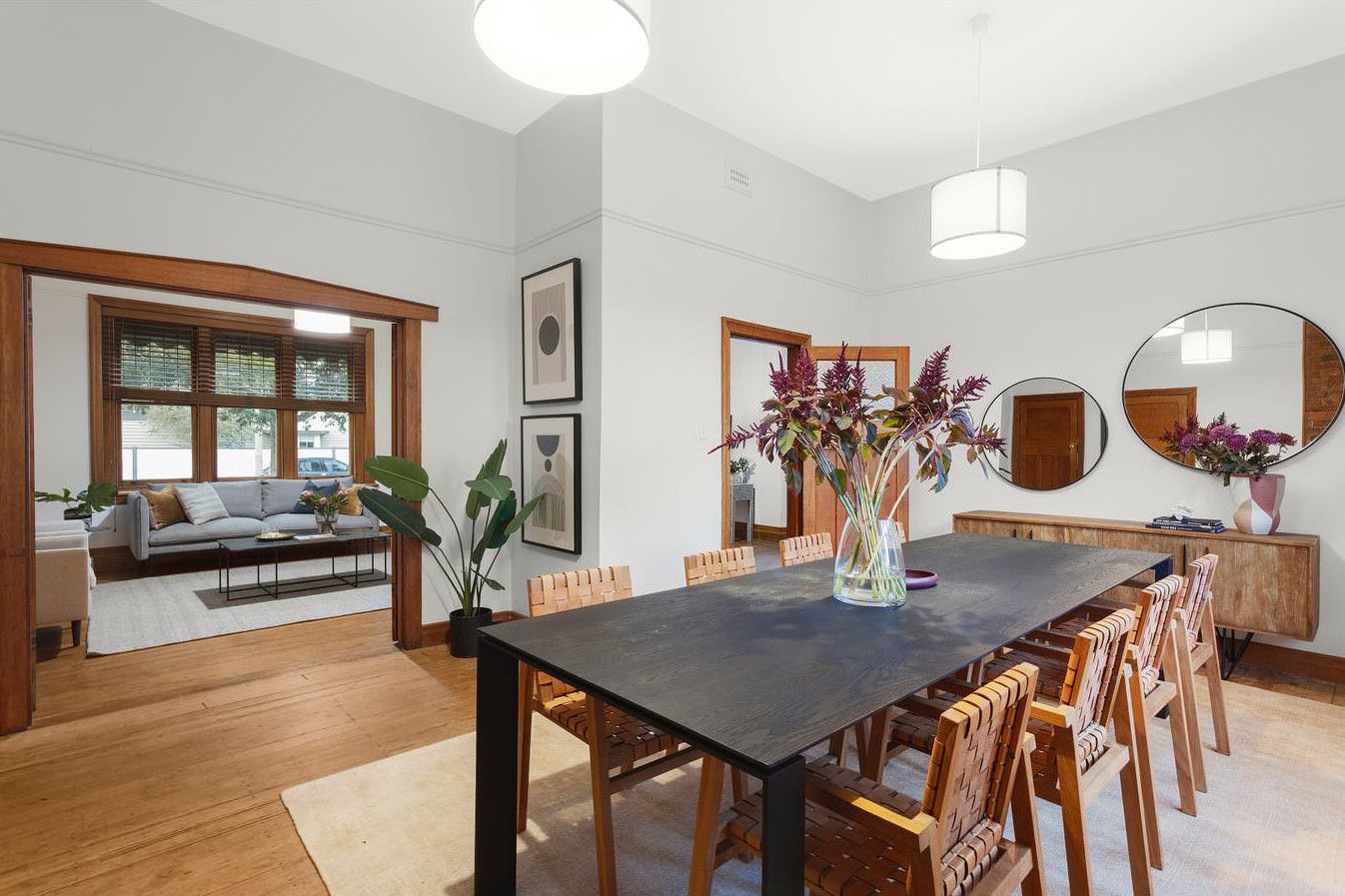
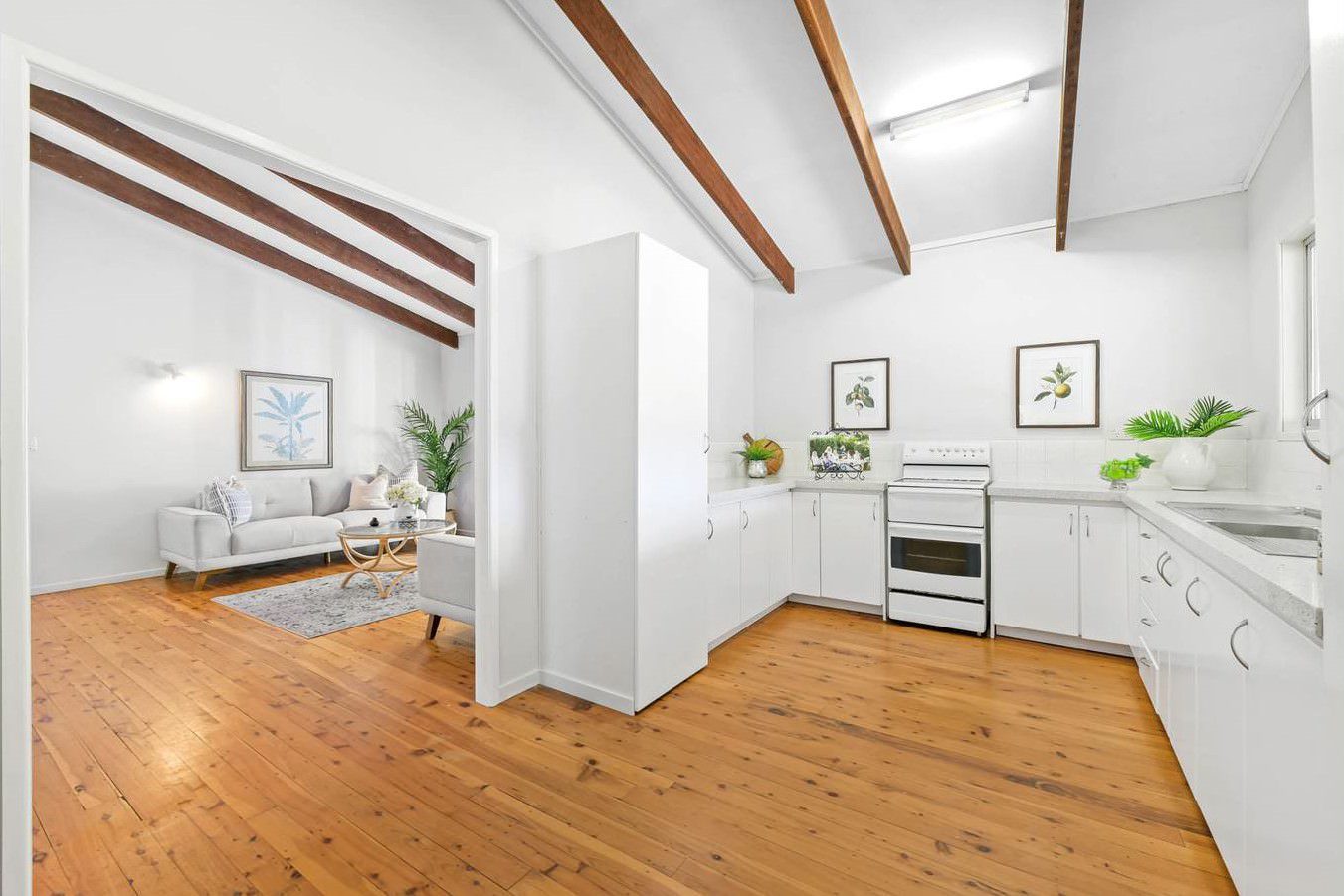
You're usually looking at textured walls at one of three moments. The property has an older finish that looks dated and you're deciding whether to keep it. The plasterboard has enough joins, dents or patching that a dead-flat repaint will show everything. Or you want a feature finish that adds depth without turning the room into a faux-Mediterranean set.
In Melbourne, that decision is tied to the house itself. A Victorian terrace in Richmond, a Federation home in Camberwell, and a contemporary apartment in South Yarra all ask for different restraint levels. Texture can solve real surface problems and add character, but it can also create extra labour, harder maintenance, and a finish that fights the architecture if it's chosen badly.
Table of Contents
- Understanding Textured Finishes Beyond Aesthetics
- A Comparison of Popular Textured Finishes
- Interior vs Exterior Textured Applications
- The Professional Installation Process
- Costs Timelines and Long-Term Maintenance
- Design Ideas for Melbourne Architecture
- DIY Application vs Hiring a Professional
Understanding Textured Finishes Beyond Aesthetics
Textured wall finishes started as a practical answer to visible plasterboard flaws, not just a styling choice. In Australian wall systems, minor joints, dents and unevenness became easier to see under light, so finishes such as orange peel and knockdown were developed to break up that flat plane and make defects less obvious, as outlined in this trade overview of textured walls.
That history still matters in Melbourne. A lot of repaint work happens in older houses, apartment turnarounds and patched interiors where walls aren't perfectly true. If you put a low-angle afternoon light across a freshly painted but poorly repaired wall in Kew or Armadale, every joint line starts to show.

Why texture became standard trade practice
Texture works by changing the way light lands on the surface. Instead of a completely flat reflection, you get small highlights and shadows that soften minor visual defects. That's why a subtle texture can look more forgiving than a smooth wall in a hallway, stairwell or living room with strong natural light.
The same source notes that typical drying time is about 24 hours before priming and repainting in standard workflows, which is one reason textured finishes have stayed part of normal trade practice rather than becoming a niche specialty.
Practical rule: Texture can hide minor inconsistency. It won't rescue bad plastering, loose substrate, movement cracks or poor patching.
The main texture families
Most textured wall finishes fall into a few practical application groups.
-
Spray-applied textures such as orange peel give a finer, more uniform pattern. These are useful when the goal is consistency across broad plasterboard surfaces rather than a handcrafted look.
-
Spray then flatten systems such as knockdown add more movement and a softer profile. They're often chosen when you want visible texture without a heavy raised finish.
-
Trowel-applied finishes such as skip trowel, Venetian-style polished surfaces, and some acrylic render textures rely more on the applicator's hand. These can look excellent on feature walls, but they need stronger control over pattern, pressure and timing.
-
Brush-applied decorative textures are usually lighter in build and more about tonal variation than physical relief. Limewash often sits in this category visually, even though it behaves differently from a conventional texture coating.
For most Melbourne homes, the decision isn't “Do I like texture?” It's “What problem am I solving?” If the issue is patched plasterboard in a rental refresh, a forgiving sprayed finish may be the sensible move. If the issue is a feature wall in a renovated period home, a hand-applied finish usually gives a better architectural fit.
A Comparison of Popular Textured Finishes
Not all textured wall finishes behave the same way. Some are about movement in colour. Some are about physical relief. Some suit wet areas and hard wear, while others are best kept to lower-impact rooms where the finish can be appreciated instead of scrubbed.
What each finish does well
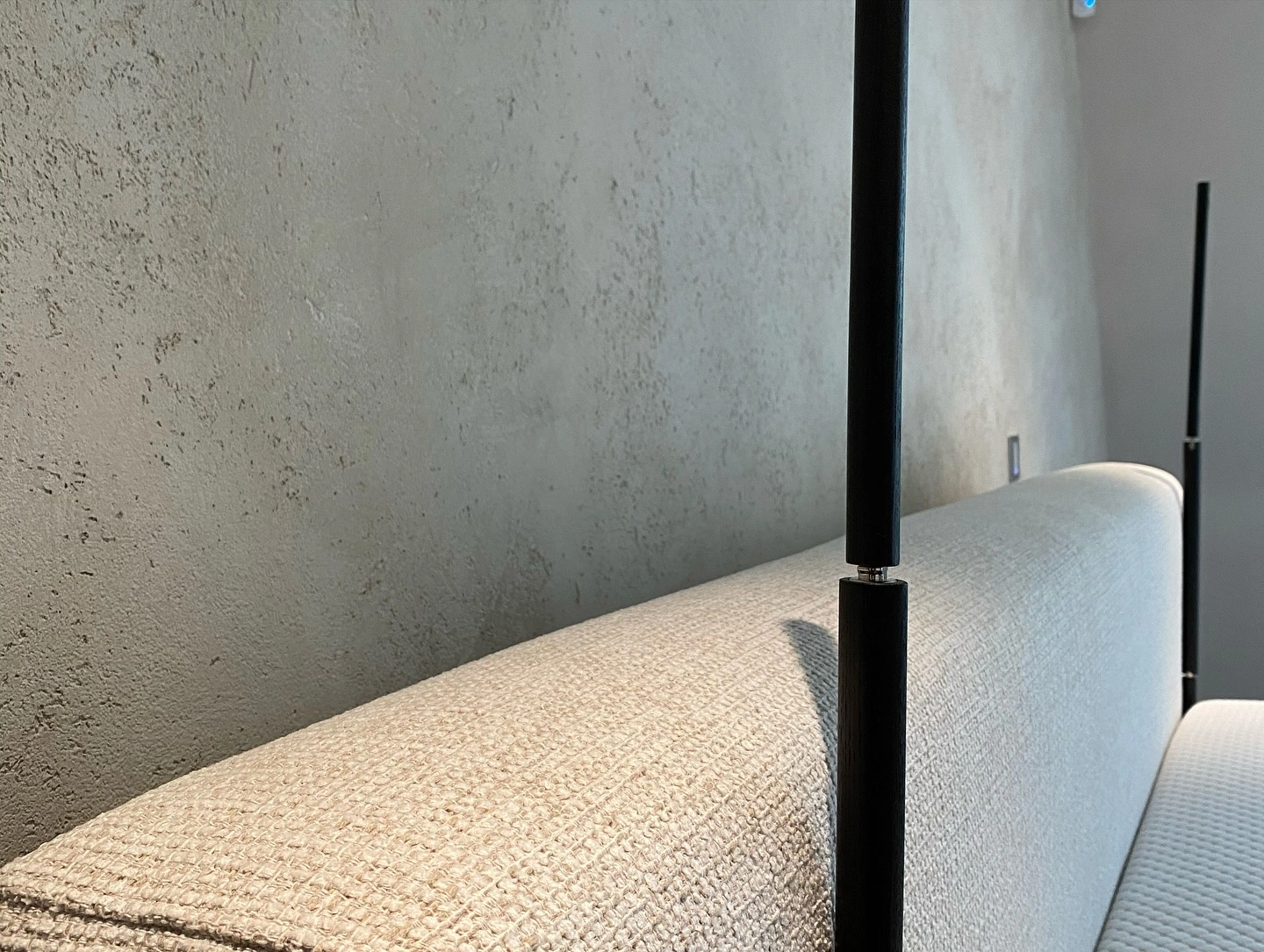
Limewash suits owners who want a soft, chalky, matte wall with tonal variation rather than obvious build. It works well in bedrooms, sitting rooms and feature walls where the mood matters more than washability. In period homes, it can soften newer plaster repairs so the room doesn't feel clinically flat.
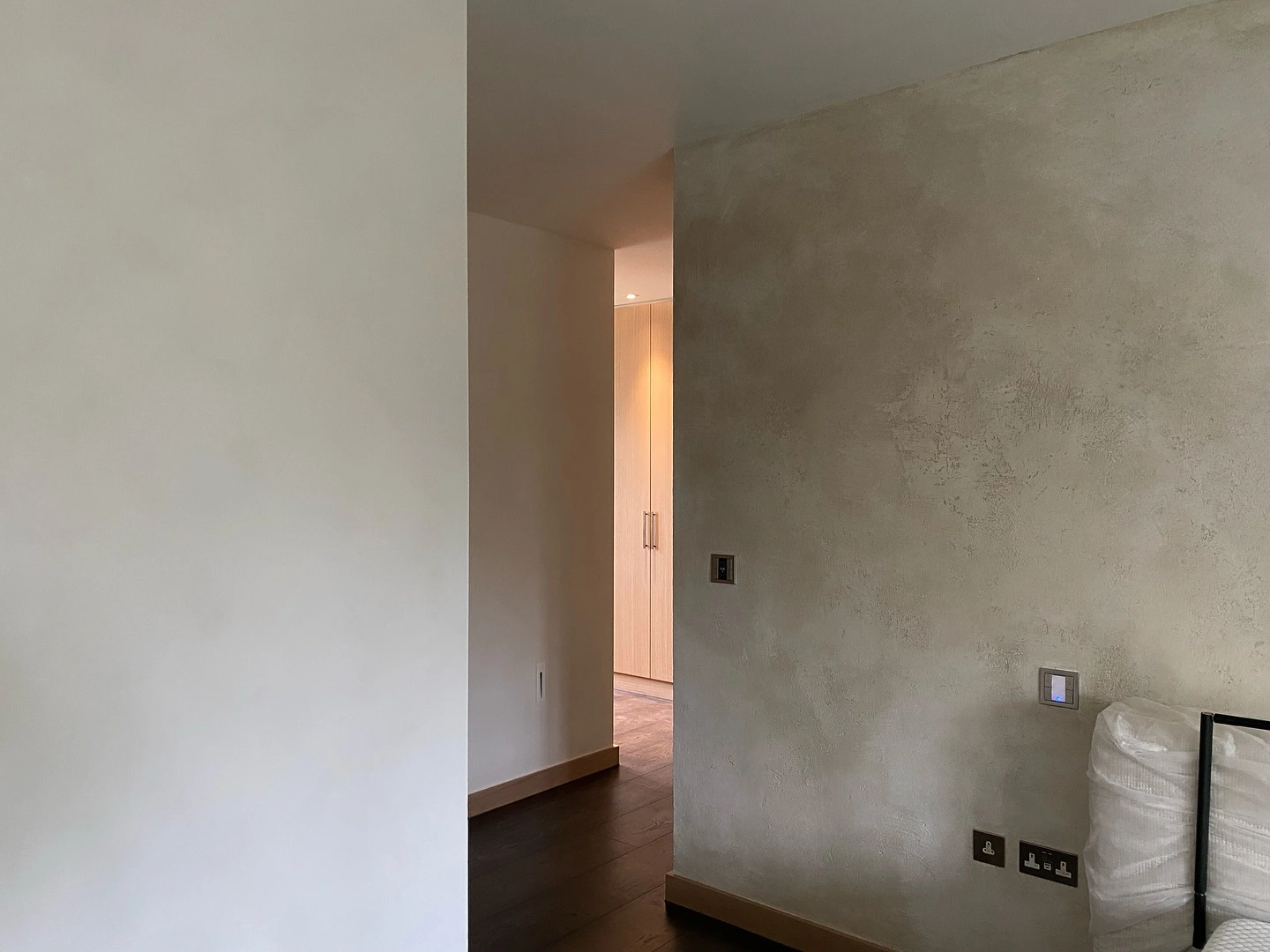
Venetian plaster is a more deliberate decorative finish. It adds depth, variation and, depending on the system, a polished or honed appearance. In the right room it looks refined, but it needs architecture that can carry it. If you want a closer look at how that finish differs from standard paint systems, this explanation of what Venetian plaster is is a useful starting point.
Microcement presents a more substantial texture and a more contemporary appearance. It's often chosen where owners desire a continuous mineral surface with more toughness than a purely decorative wall finish. It suits modern homes and selected commercial interiors better than ornate period spaces.
Acrylic-based texture systems such as Dulux AcraTex-style finishes are practical workhorses. They can be specified for different levels of texture, tend to be more forgiving over repaired substrates, and are often the better option when durability and consistency matter more than artisan variation.
If you're choosing for a bedroom feature, wallpaper and textured finishes often get compared side by side. For visual direction on softer statement walls, Striped Circle's guide for bedroom inspiration is useful because it helps you judge how much visual activity the room can handle before the wall starts dominating everything else.
Textured Finish Comparison
| Finish Type | Look & Feel | Best For | Durability |
|---|---|---|---|
| Limewash | Soft, matte, cloudy variation, low-build surface | Bedrooms, living rooms, quiet feature walls | Moderate, best in lower-contact areas |
| Venetian plaster | Layered depth, refined movement, can be polished or softly burnished | Feature walls, formal rooms, higher-end interiors | Good when correctly sealed and maintained |
| Microcement | Dense, mineral, contemporary, seamless feel | Modern interiors, selected wet or high-traffic areas | Strong, system-dependent |
| Acrylic texture | Controlled pattern, practical surface relief, consistent finish | General walls, repaired plasterboard, some exteriors | Strong, especially in serviceable repaint settings |
A textured finish should suit the room's traffic, the available light, and the architecture. If one of those three is wrong, the finish usually feels wrong too.
Interior vs Exterior Textured Applications
Interior and exterior textured wall finishes might look related, but they're specified for different jobs. Inside, the brief is usually appearance, touch, and cleaning. Outside, the brief is movement, weather, UV exposure, water management and how the finish looks under full sun.
What works indoors
Indoors, a textured finish has to fit the room's use. A hallway, family area or rental apartment needs something that can cope with casual contact and routine cleaning. A bedroom feature wall can be quieter, flatter and more delicate because nobody is brushing bags, chairs or vacuum heads against it every day.
Sheen matters here too. If the wall texture is subtle and you want the finish to read as soft rather than shiny, a lower-sheen topcoat usually gives a calmer result. If the texture sits in a kitchen, laundry or bathroom zone outside direct shower exposure, the system needs better moisture tolerance and a surface that won't become difficult to wipe down.

What changes outside
Outside, the same “rougher looks better” assumption can backfire. Guidance on wall finishes notes that rougher exterior textures create more self-shadowing at the micro-surface level, which increases contrast between sunlit and shaded areas and can make façade irregularities more noticeable under strong daylight, as described in this wall finish guidance.
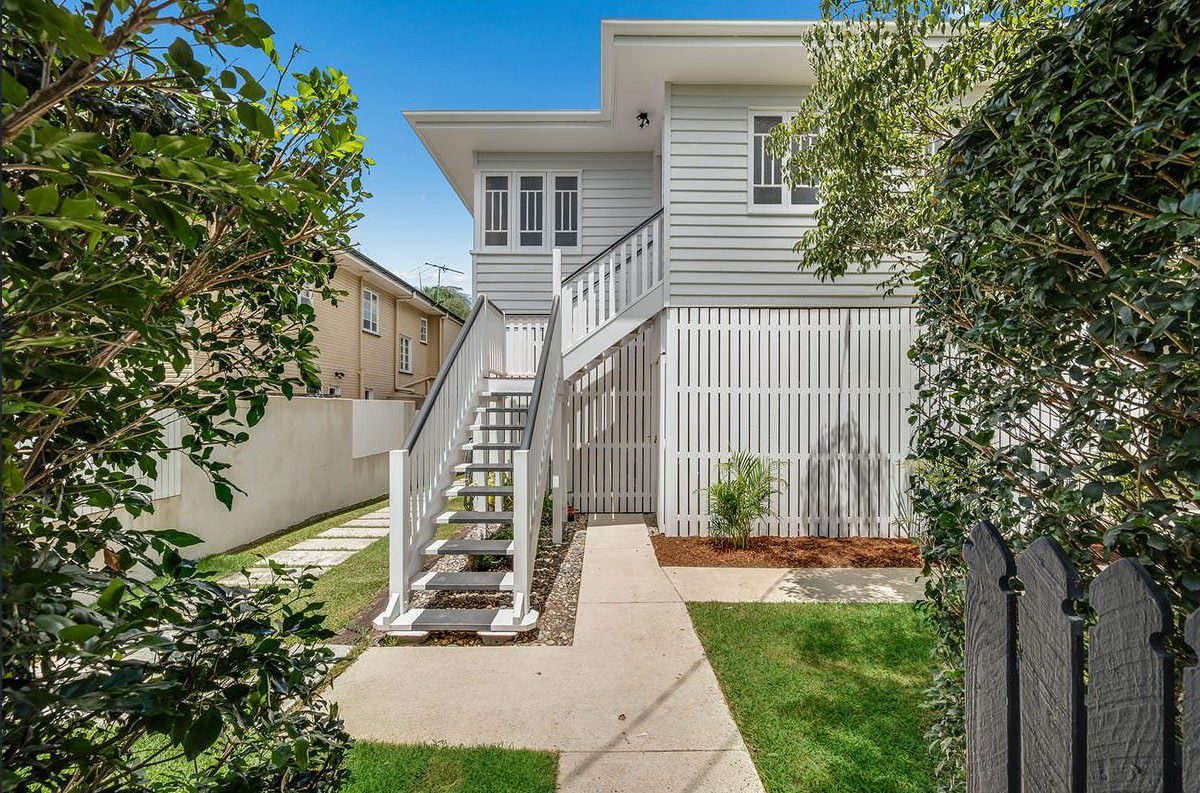
That matters in Melbourne, especially on western and northern elevations. What looks rich and tactile on a sample board can look patchy on a broad rendered wall once the afternoon sun hits it. In bayside suburbs such as Brighton and St Kilda, you also have the extra issue of salt exposure and wind-driven moisture, so the coating system has to suit the substrate and the location, not just the look.
- Interior priorities are touch, cleanability, sheen control, and whether the finish improves the room.
- Exterior priorities are substrate movement, weather resistance, UV stability, maintenance access, and how the texture reads in full daylight.
- Shared priority is consistency. Patchy application always looks worse on a textured wall than owners expect.
Exterior texture choice should be coordinated with orientation. A finish that reads subtle on the shaded side of the house can look much harsher on a sun-struck front elevation.
The Professional Installation Process
A professional texture job is won or lost before the decorative coat starts. If the wall is unstable, dusty, uneven, poorly repaired or still carrying contamination, the texture won't hide the problem. It will often make it more visible.
A quick visual helps explain the sequence on site.

Prep decides the result
Professional specifications for textured finishes over plaster substrates require the surface to be prepared “as if it is to be painted”, meaning defects are fixed, irregularities are sanded smooth, and dust is removed before the texture coat is applied, according to this specification reference on wall finishes. That point is often misunderstood by owners who assume texture is a shortcut around prep.
It isn't. Texture can reduce the visibility of minor surface inconsistency, but it also telegraphs poor levelling, patch edges and adhesion problems if the base is wrong.
For owners planning broader renovation sequencing, it's worth applying the same discipline to adjacent trades. Floor protection and installation timing matter too, and Flacks Flooring's flooring expertise is a good reminder that good finishes depend on trade order, substrate care and site protection.
How a professional texture job runs
The workflow is usually straightforward, but every stage matters.
-
Assessment of the substrate. This means checking for movement cracks, failed patching, water staining, loose paint, chalkiness and previous coatings that may reject the new system.
-
Protection and isolation. Floors, cabinetry, glazing, power points and trims are masked properly. Spray texture, in particular, creates fine overspray if the setup is careless.
-
Repairs, sanding and cleaning. Holes are filled, cracks are opened and repaired where needed, ridges are sanded, and all dust is removed. If you want to see what proper wall prep involves before any coating starts, this guide on how to prepare walls for painting covers the basics well.
Here's a simple demonstration of textured wall application technique and why consistency of hand matters:
-
Priming and texture application. Depending on the system, that may involve a sealer, a build coat, and then the decorative finish applied by spray, trowel or brush.
-
Cure, inspect, and topcoat if required. The final appearance is checked in natural and artificial light. For hand-applied finishes, it is during this inspection that an experienced applicator decides whether the wall has natural movement or just random inconsistency.
Costs Timelines and Long-Term Maintenance
The most expensive textured finish isn't always the best one, and the cheapest isn't always the most practical. Cost usually follows labour intensity, substrate condition, access, masking requirements, and how much hand skill the finish needs to look intentional.
What actually drives cost
A simple spray texture over sound plasterboard is one kind of job. A multi-stage decorative plaster finish on a feature wall with tricky light and visible edges is another. The material itself matters, but labour is usually the bigger variable because texture work is slower to set up, harder to blend, and less forgiving to repair than a standard acrylic repaint.
If you're deciding between removing texture and keeping it, the primary consideration is disruption versus payoff.
- Keep and refresh if the existing texture is subtle, sound, and suits the room after a proper clean, repair and repaint.
- Conceal with a new texture if the wall has patching, inconsistent old surfaces or minor defects that don't justify a full smooth-wall conversion.
- Remove or skim coat if the texture is heavy, dated, damaged, or wrong for the architecture and lighting.
The wall should earn the extra labour. If the room won't materially benefit from a premium hand-applied finish, a cleaner and simpler specification is usually the better call.
Timelines depend on drying windows, access and the finish selected. A feature wall can move quickly if the substrate is already good. A full room can stretch if there are repairs, multiple coats, cure time and topcoats to sequence around occupied living. Textured work also needs cleaner staging because fixing one section after furniture goes back in is awkward.
How to think about upkeep
Maintenance starts with finish selection. Deep or sharp textures collect more dust and are harder to wipe. Very matte mineral finishes can mark more easily in high-contact zones. Exterior textures need periodic inspection because dirt loading and weathering show up differently on raised surfaces than on smooth paint.
Useful maintenance habits include:
- Dust first, don't scrub first. A microfibre duster or soft brush attachment prevents grime from being pushed into the texture.
- Spot test cleaning products. Some decorative finishes can burnish or change appearance if they're rubbed too aggressively.
- Repair early. Small chips and impact marks are easier to blend before they become broader patch areas.
Where workmanship accountability matters, a written warranty gives owners a practical benchmark. Newline Painting backs workmanship with a 7-year warranty, which is the sort of detail worth looking for on any quote for specialist finishes because texture repairs are rarely as simple as touching up flat paint.
Design Ideas for Melbourne Architecture
Textured wall finishes work best when they support the building rather than trying to reinvent it. Melbourne homes already have strong identities. High ceilings, ornate cornices, weatherboards, decorative fireplaces, pared-back apartments, and renovated townhouses all set limits on how much texture the room can take.
The category is also far from niche. The global drywall textures market was estimated at US$9.2 billion in 2024 and is projected to reach US$14.4 billion by 2030, according to this drywall textures market report. That doesn't mean every home should have a textured wall, but it does confirm that these finishes remain relevant in renovation and refurbishment work rather than sitting on the fringe.

Where texture suits period homes
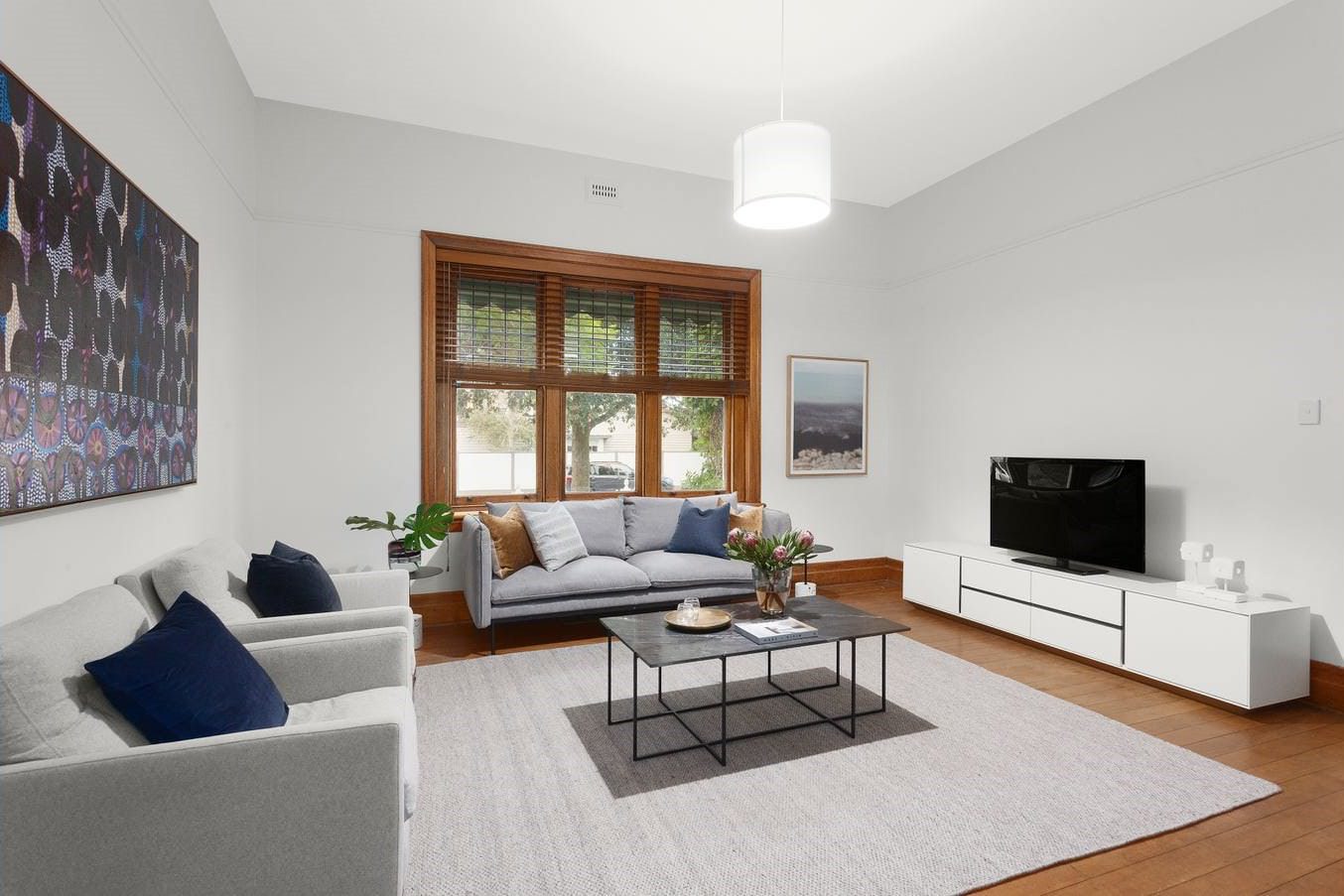
In Victorian and Federation homes, subtlety usually wins. A soft limewash or restrained hand-applied finish can work beautifully in a sitting room, bedroom or hallway where original trims, ceiling roses and architraves already carry detail. The wall doesn't need to perform like a hero piece. It needs to stop the room feeling too freshly plastered or too flat beside older elements.
A renovated terrace in Richmond might suit a warm, mineral-looking finish in the rear living area where old and new meet. An Edwardian home in Hawthorn may benefit more from a gentle tonal wall treatment than from a highly polished decorative plaster that feels imported from another style language.
Where texture suits newer spaces
Contemporary apartments and architect-designed homes can carry cleaner, more defined texture. A Venetian-style feature wall behind a bedhead or living room joinery can give depth without adding clutter. In a South Yarra apartment with simple skirtings and flush-set plasterboard, that kind of finish can create the focal point the architecture doesn't provide on its own.
Biophilic schemes also pair well with softer mineral finishes because they rely on natural variation and calmer surfaces. If that's the direction you're considering, this article on biophilic interior design gives useful context for pairing texture with earthy colour and natural materials.
- For period homes, favour muted texture and breathable-looking finishes.
- For modern homes, stronger visual texture can work if the detailing is otherwise restrained.
- For pre-sale work, choose the finish that broadens appeal rather than the one that makes the boldest statement.
DIY Application vs Hiring a Professional
DIY textured wall finishes can work on small, forgiving projects, but they go wrong faster than standard painting. The reason is simple. You're not just applying product. You're creating a surface pattern that has to stay consistent across joins, edges, changing light and drying time.
When DIY can work
A homeowner with patience can sometimes manage a light decorative finish on a small sample board or a low-risk wall. That makes sense if you're experimenting in a study, storage room or another area where a miss isn't expensive to live with.
There's also nothing wrong with borrowing styling ideas from smaller-scale home projects. If you want supporting room ideas around shelves, textiles and accents after the wall is done, creative home decor ideas can help pull the rest of the space together.
When calling a professional saves money
The bigger issue in renovation work is the remove, conceal or embrace decision. Guidance on smoothing textured walls points out that many people jump straight to skim coating, even though that ignores the labour, mess and time involved in converting an existing textured surface to smooth, as discussed in this overview of smoothing textured walls. That trade-off is exactly where professional advice matters.
A specialist will usually spot the things owners miss:
- Whether the existing texture is sound enough to repaint
- Whether a skim coat will fix the visual problem
- Whether patching one wall will leave the rest of the room looking worse
- Whether the selected finish suits the room's light and wear
Premium finishes also need repetition and control. Trowel pressure, open time, edge management, mixing consistency, and topcoat compatibility all affect the result. If the job fails, removal is messy and repair rarely costs less than doing it properly the first time.
That's why most owners are better off using a trade-qualified team for specialist texture work, especially on occupied homes, visible feature walls and higher-end interiors. With Newline Painting, that work is carried by painters backed by $20M public liability insurance, a 7-year workmanship warranty, and experience across 500+ projects completed in Melbourne properties.
If you're weighing up whether to add texture, refresh an existing finish, or remove it and go smooth, Newline Painting can inspect the walls on site and give you a clear written quote with prep scope, paint system and realistic timing. For a free on-site quote across Melbourne, call 1300 044 206.