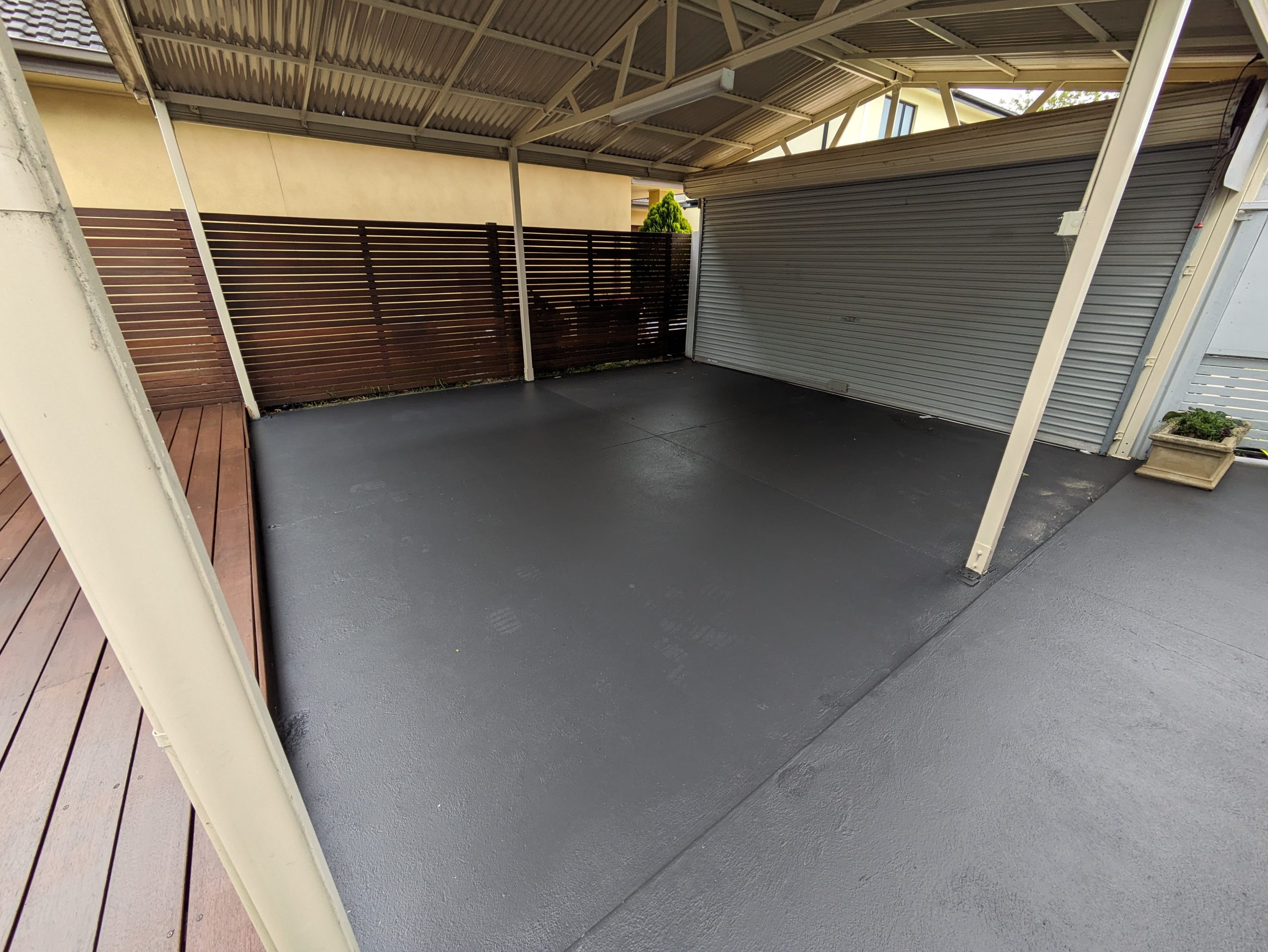
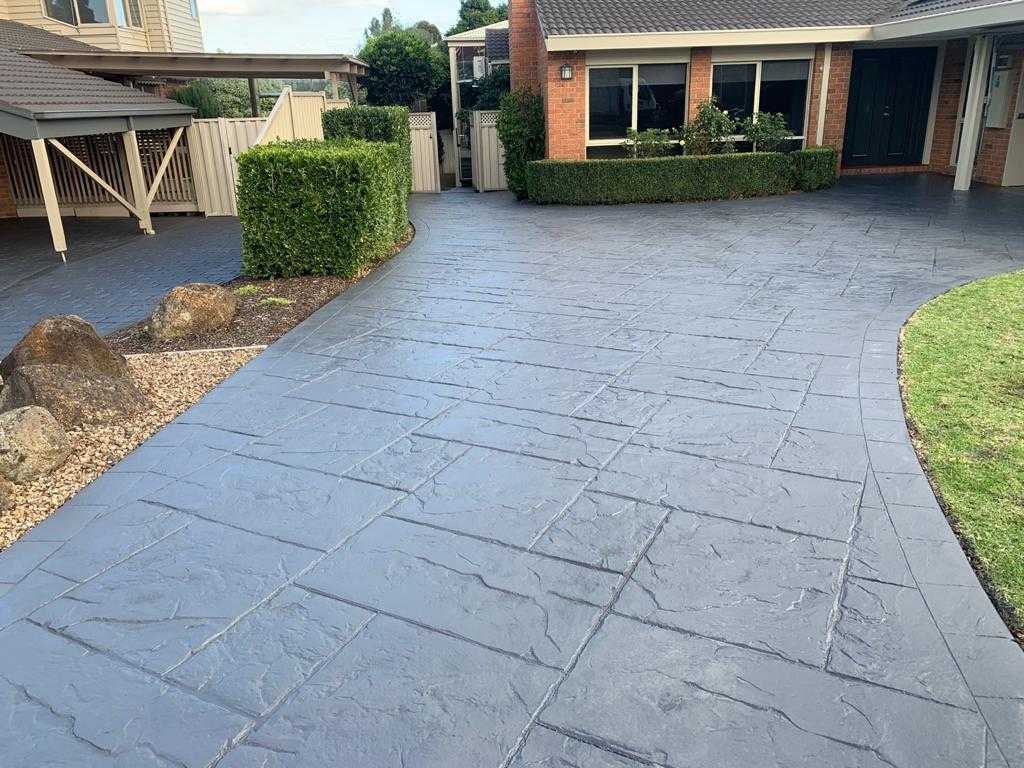
You're probably looking at a garage slab that still works, but doesn't look or perform the way it should. It dusts up every time you sweep, oil marks keep coming back, tyres drag grime inside, and the floor feels permanently tired no matter how often it's cleaned.

That's the point where most Melbourne homeowners start searching for a concrete garage floor sealer. The problem is that many products sold under that label do completely different jobs. Some repel moisture. Some harden the slab. Some create a new wearing surface. If you choose the wrong system for the way the garage is used, the floor might look better for a short period and still fail where it counts.

In Melbourne, that distinction matters more than most guides admit. A garage in Brighton deals with salt and moisture. A workshop in Richmond gets abrasion, dropped tools and fluid spills. A clean storage garage in Camberwell has a different brief again. The right answer depends on traffic, slab condition, cure state, and preparation, not just the product tin.

Table of Contents

Types of Concrete Garage Floor Sealers Explained

A concrete garage floor sealer isn't one product category in practice. It's a group of very different systems, and each one suits a different level of traffic, finish expectation and maintenance tolerance.

A comparative infographic guide explaining four different types of concrete garage floor sealers and their benefits.

Acrylic sealers for light duty protection

Acrylics are usually the entry point because they're straightforward, economical and can lift the appearance of a plain slab quickly. They suit garages that need a neater, easier-to-clean surface but don't see workshop-level punishment.

A solvent-based acrylic can work well where the slab is sound and the owner understands the limits. One relevant benchmark is that solvent-based acrylic concrete sealers such as AC30™ cover 6–10 m²/L depending on substrate porosity and film thickness, and the recommendation is a minimum of two coats for a durable, non-yellowing layer against traffic, oil and dirt, according to AC30 coverage and application guidance.

Acrylics have a place, but they're not a heavy-duty answer for every Melbourne garage.

Epoxy and polyurethane for heavier use

Epoxy is a coating, not just a sealer in the casual sense people often use online. It forms a surface film that takes wear, gives better resistance to workshop spills, and can turn a dusty slab into a proper usable floor.

Polyurethane usually makes more sense as part of a system rather than as a catch-all recommendation. It's valued where abrasion resistance, flexibility and a harder-wearing top surface matter. In real garage work, that often means using it as a topcoat over another build layer rather than relying on it to solve a bad slab or poor prep.

Practical rule: If the garage carries vehicles daily, stores tools, or doubles as a work area, start by assessing coating systems before you assume a clear sealer will be enough.

A quick comparison helps:

Sealer type Finish Best use case Main trade-off
Acrylic Clear or enhanced look Light vehicle use, tidy storage garages Wears faster under harder use
Epoxy Film-forming, decorative if needed Daily-use garages, workshops, higher spill risk Demands excellent prep
Polyurethane Tough top surface Added abrasion resistance over a system Usually not the first layer decision
Penetrating sealer Natural look, minimal visual change Moisture protection without changing appearance Doesn't create a new wear layer

Penetrating sealers for a natural finish

Silane, siloxane and similar penetrating products suit clients who want the slab to stay looking like concrete. They soak in, help repel moisture and don't build a visible coating film on top.

That's useful in some garages, especially where appearance is secondary and breathability matters. It's less useful if the slab is already worn, stained or expected to resist regular abrasion and vehicle mess at the surface.

For readers comparing decorative outcomes as well as protective ones, Wheeler Painting's concrete stain guide is a useful companion because it helps separate appearance-driven finishes from protective systems.

Sealer vs Coating Understanding the Critical Difference

The most important decision isn't brand. It's whether your garage needs a penetrating sealer or a film-forming coating.

A comparison chart showing the differences between penetrating concrete sealers and film-forming protective coatings on surfaces.

What a sealer actually does

A penetrating sealer behaves like a raincoat for concrete. It goes into the pores, reduces water ingress, and keeps the surface looking largely the same. That can be the right answer for a sound slab where moisture repellency is the priority and visual build isn't wanted.

The catch is that many people hear “sealed” and assume “protected from wear”. Those aren't the same thing. As noted in this comparison of water-based and solvent-based concrete sealers, penetrating sealers only increase surface wear strength after 7 days for full densification, while coatings like epoxy offer immediate high-gloss, chemical-resistant barriers suitable for high-traffic areas.

That's the gap that catches people out.

When a coating is the better answer

A coating is closer to armour than a raincoat. It sits on top of the slab and becomes the wear surface. If you want to improve resistance to tyre traffic, workshop abrasion, routine spills, and general garage punishment, a coating system is often the more honest recommendation.

For a side-by-side look at how newer topcoat options compare with epoxy systems, Newline Painting has a practical breakdown on polyaspartic vs epoxy.

A short visual helps if you want to see the distinction in action.

If you want the slab to stay looking like bare concrete, ask for a penetrating system. If you want a new working surface, ask about coatings. Those are different conversations.

For another useful outside perspective on surface systems and concrete finishes, Painters North Shore concrete solutions is worth reviewing.

Matching a Sealer to Your Garage Use and Melbourne's Climate

The right product is the one that matches how the garage is used in real life, not how the brochure describes it. Melbourne conditions make that decision more specific because moisture swings, cold mornings, and bayside exposure all affect performance.

Three common Melbourne garage scenarios

A clean storage garage in Hawthorn or Camberwell usually doesn't need the same build as a working garage in Northcote. If the owner parks one vehicle, stores boxes and wants easier cleaning, a penetrating sealer or a lighter film-forming option can be sensible, provided the slab itself is in good condition.

A higher-end residential garage in Toorak or South Yarra often needs better stain resistance because the expectation is visual as much as practical. That's where a coating system starts to make more sense, especially if the floor is already marked, patchy or dusty. A clear penetrating product won't hide defects or give the slab a fresh wear layer.

Then there's the busy home workshop. In suburbs where garages double as storage, repairs, bike maintenance and general overflow living, the floor takes real abuse. Chemical resistance, abrasion resistance and cleanability move to the top of the list. In that setting, the wrong sealer doesn't just underperform. It creates a maintenance problem.

A simple way to shortlist the system:

  • Natural concrete look wanted: Choose a penetrating sealer if the slab is sound and appearance change needs to stay minimal.
  • Daily car traffic plus spills: Look hard at coating systems rather than relying on moisture repellency alone.
  • Workshop or high abrasion use: Prioritise a build system that creates a true wear surface.
  • Bayside moisture concerns: Focus on systems that suit the slab condition and application window, not just gloss level.

Climate and timing matter as much as product choice

Melbourne's four-seasons-in-a-day pattern affects garage floors more than people expect. A slab can look dry on the surface and still hold moisture below. That matters because many failures blamed on the product are really timing and preparation failures.

In bayside areas like Brighton or Albert Park, salt-laden air and damp conditions raise the stakes. In older homes around Kew or Malvern, garage slabs can also be more variable from one side of the floor to the other. One half might be dense and sound, the other more porous from age, previous repairs or historic moisture movement.

The best garage finish isn't the thickest or glossiest one. It's the one that matches the slab, the traffic, and the conditions on the day it's applied.

That's why on-site assessment matters. The floor has to be read properly before anyone decides whether a concrete garage floor sealer is enough, or whether the garage really needs a coating system.

The Professional Surface Preparation and Application Process

Most garage floor failures start before the first coat goes down. Preparation decides adhesion, finish quality, and whether the floor lasts through real vehicle use.

A flowchart infographic illustrating the six professional steps for concrete garage floor sealing and surface preparation.

Preparation decides whether the floor lasts

A proper process starts with inspection. The slab is checked for oil contamination, laitance, previous coatings, cracking, patch repairs, moisture issues and soft spots. If those aren't identified first, the product choice is guesswork.

Cleaning comes next, but cleaning alone isn't surface preparation. Degreasing removes contaminants that interfere with adhesion. After that, the slab usually needs mechanical profiling. In practical terms, that means grinding to open the surface and create a reliable bond.

Diamond grinding beats shortcut prep because it removes weak surface material and gives the coating or sealer a consistent substrate. A quick wash or superficial etch won't fix embedded contamination, and it won't correct inconsistent porosity across the slab.

Typical prep stages include:

  1. Assessment of slab condition, including previous sealers, oiling and repair areas.
  2. Degreasing and deep clean so contaminants aren't trapped under the new system.
  3. Grinding the concrete surface to create mechanical key and remove weak material.
  4. Crack and divot repair so defects don't telegraph through the finish.
  5. Application of the chosen system at the right spread rate and sequence.
  6. Cure protection and final inspection before the garage goes back into service.

Application timing and cure rules

Timing matters just as much as technique. If the slab is new, patience is part of the specification. According to this guide on film-forming sealers for concrete, film-forming sealers must only be applied after concrete has fully cured for 28 days, because early application can trap moisture, compromise adhesion and lead to delamination in Victorian residential garages.

That's one of the most common misconceptions on newer builds and extensions. The slab might feel hard enough to walk on well before that point, but that doesn't mean it's ready for a film-forming system.

At Newline Painting, this kind of prep discipline is standard. The company has operated for about eight years from South Yarra, handles epoxy and garage floors alongside broader painting work, and backs workmanship with a 7-year workmanship warranty and $20M public liability insurance. For garage floors, that matters because the product is only part of the result. Prep, sequencing, and cure management decide whether the floor stays bonded.

Expected Lifespan Maintenance and Indicative Costs

Service life depends less on marketing language and more on use, prep quality, slab condition and maintenance. A lightly used garage in Armadale will age differently from a family garage in Richmond where the floor sees bikes, bins, prams, tools and two cars every week.

What affects service life

Acrylics are usually chosen with the understanding that they're a lighter-duty option. They can look good and tidy up a slab well, but they won't usually hold up like a heavier coating in a garage with regular wear.

Penetrating systems have a different value proposition. They don't create a sacrificial film on top, so the conversation isn't only about visual wear. It's about whether the slab stays cleaner, resists moisture ingress better, and avoids the dusty untreated feel many owners want to eliminate.

One technical point that matters for planning is coverage and cure. According to this concrete sealers market overview, high-performance siliconate sealers in Australia typically cover 300 to 450 square feet per gallon (about 7.3 to 11 m²/L), with more porous concrete needing more product, and the densifying process can take up to 7 days to become fully effective. That's useful because many owners assume a floor is performing at full strength as soon as it looks dry.

A garage floor can be dry to the eye and still not be ready for normal abuse. Drying and full cure aren't the same thing.

Maintenance is straightforward but important:

  • Clean spills early: Oil, grime and tyre residue are easier to remove before they sit.
  • Use non-abrasive cleaning methods: Harsh scrubbing shortens the life of lighter systems.
  • Watch entry moisture: Water brought in during winter can expose weak prep or weak product choice quickly.
  • Reassess before recoating: Don't just apply another layer over a failing surface.

How professionals think about cost

Without seeing the slab, any exact price is guesswork. Surface condition, repairs, moisture issues, previous coatings, access, and the chosen system all affect the number. A basic clear sealer and a full coating build aren't competing like-for-like products, so comparing them on upfront price alone usually leads to the wrong decision.

For readers weighing broader finish options and upkeep, Templeton Built's concrete flooring installation guide is a useful reference. If your project is leaning toward a coating system rather than a simple sealer, Newline Painting also breaks down cost drivers in this guide to epoxy flooring installation cost.

DIY vs Professional Application A Realistic Assessment

DIY can work on very forgiving surfaces with very modest expectations. Most Melbourne garages aren't that forgiving.

A comparison showing a frustrated person doing DIY concrete floor sealing versus a professional contractor working efficiently.

Where DIY usually goes wrong

The first issue is misdiagnosis. Homeowners often buy a product before they know whether the slab has old contamination, moisture movement, weak surface paste or previous failed sealers. If the diagnosis is wrong, the application quality barely matters because the system was wrong from the start.

The second issue is prep. Proper grinding equipment, crack repair materials and dust control make a major difference. Most DIY failures aren't dramatic on day one. They show up later as peeling around tyres, patchy absorption, glossy and dull areas in the same floor, or staining that still gets through.

Application consistency is another hurdle. Film build, recoat timing and edge work all matter, especially in garages where light from the roller door exposes every lap mark and every prep defect.

What a professional install changes

A professional team controls the parts that usually cause failure. That means assessment, substrate prep, system choice, application sequence, and cure management. It also means there's accountability if workmanship is at fault.

That distinction matters because, in the Australian painting industry, paint warranties cover coating materials while workmanship warranties cover the labour, preparation and application by the contractor, including defects such as runs and wrinkling, as explained in this discussion of paint warranty versus workmanship warranty.

For a garage floor, workmanship is where most of the risk sits. If the slab wasn't prepared correctly, the best product on the shelf won't save it. If you're comparing specialist installers, this page on garage floor epoxy installers is a practical place to start.

A trade-qualified crew also works faster and cleaner. Newline Painting has completed 500+ projects, uses recognised paint brands including Dulux, Haymes, Taubmans, Berger and Wattyl across its broader painting work, and follows a written quote and handover process. For occupied homes in suburbs like South Yarra, Kew or Brighton, that level of organisation matters because garage projects often affect storage, access and day-to-day routine.

Choosing the Right Sealer for Your Melbourne Garage

The right concrete garage floor sealer depends on one question first. Do you need moisture repellency, or do you need a new wearing surface?

If the slab is sound and you want a natural look with better resistance to moisture, a penetrating sealer can be the right fit. If the garage sees regular vehicle traffic, spills, stored equipment or workshop use, a coating system is often the more durable answer. The floor has to be matched to the use case, not to a generic product category.

Preparation is essential. Melbourne slabs vary, especially across older housing stock, bayside properties and garages that have already seen years of traffic. The longest-lasting result usually comes from proper inspection, mechanical preparation, realistic curing allowances and a system that suits the slab you have.

If you want a clear answer for your own garage, the best next step is an on-site assessment and a written scope.


If you'd like practical advice on the right system for your garage, request a free on-site quote from Newline Painting or call 1300 044 206. Newline Painting is based at 47 Claremont St, South Yarra VIC 3141 and works across Melbourne metro and surrounding Victoria, with written quotes, clear preparation standards, and garage floor systems suited to real residential use.

Leave a Comment