


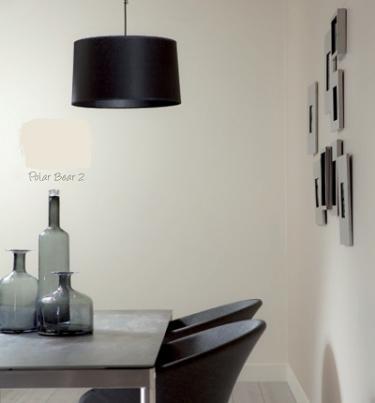
Polar Bear
Image by: Haymes Paint
Here are the most loved colours from the paint brand: Minimalist, which ranges from bright whites to organic neutrals; Polar Bear, fresh neutrals that capture the subtleties of nature; Greyology, gorgeous grey that offers everything from light silver to rich, warm ash, and is made to complement contemporary homes; Pale Mushroom, soft and subtle, and blends well to both modern and electric homes; Whitewash, a range of crisp, clean whites perfect for any style of home; and Nearly White, with a hint of yellow that adds warmth and light to any home.
According to Dulux Australia, White and Neutrals have also been the long-time favourites of many Australians when it comes to interior paint colours. Natural White, Antique White U.S.A, and Lexicon Quarter are among Dulux’s most popular whites.
Natural White has a subtle warmth that provides the perfect backdrop for decorating, and a perfect complement to personal styles. Dulux said this colour remains the most loved choice of many home renovators and interior designers.
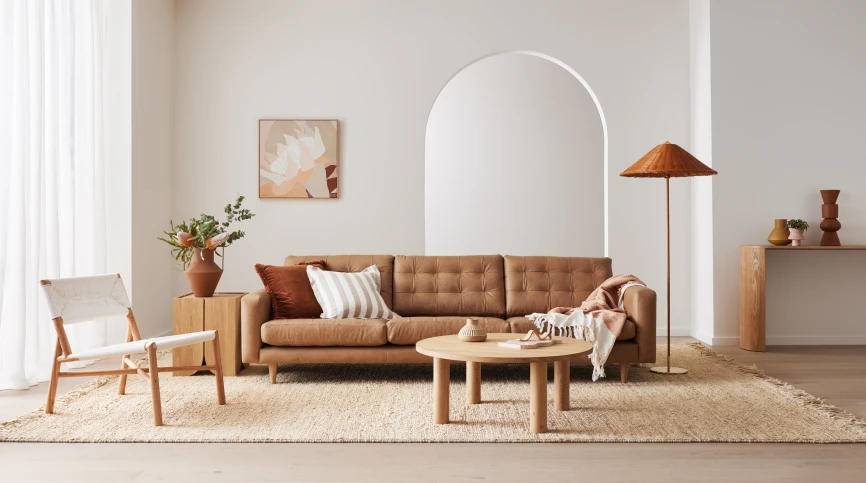
Natural White
Image by: Dulux
Antique White U.S.A. has always been a part of many Australian homes over the years. This warm white that creates warm and cosy spaces is a favourite colour choice for traditional and heritage homes.
Lexicon Quarter has a cool, fresh, modern appearance, particularly when combined with contemporary furnishings. It is a bright and uplifting white that is perfect for a crisp, clean and modern look. This colour is said to be impressive in rooms that need brightening.
Other Australia’s favourite whites include Snowy Mountains, a slightly neutral white that can be used with warmer and cooler colours; Whisper White, a lush, warm white that works beautifully with all kinds of colour schemes; Terrace White, which is ideal for pairing with cooler whites and muted shades; Vivid White, a pure clean white that is perfect for creating a clean, contemporary look and gives a luxe modern vibe; and White on White, a clean minimalist white that brings a sense of energy and vitality to your home.
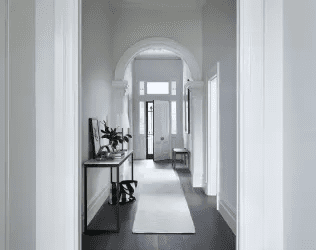
Terrace White
Image by: Dulux
When choosing interior paint colours, Dulux said you have to consider the following: First, the temperature. Cooler colours like blues and greens are designed to calm and soothe. Warmer colours such as reds and oranges add vibrance and life. Cooler colours appear to recede and add visual enlargement, while warmer colours draw attention.
Next is lighting. The lighting in your house also impacts the way the colours in it will appear. Dulux suggests testing colours in natural light at various times throughout the day, and also at night using artificial lightings such as downlights and lamps.
Another factor is the tone, which refers to lightness and darkness and is considered one of the most transformational aspects of colour. Tone adds form and shape to objects, and can alter our perception of a space, making it appear smaller or larger.
And lastly, the surrounding. According to Dulux, paint can absorb the properties of the things around it. It is said that a piece of brightly coloured furniture or artwork can bring out the undertones in paint colours, and can also change the way they look in your space.
Exterior paint colours
Coating Australia has listed Monochrome, Pastels, and Earth Tones as three timeless colour combinations that are proven to elevate the exteriors of Australian homes.
Monochrome is used to highlight the architecture of a house. Black can accentuate attractive features such as trims and windows. Using white trims with a deep grey will make the house look classic and modern at the same time.
Pastels are widely associated with beach house looks, but a pastel wall with white trim can also give you the country or coast home look you have always wanted. Pastels are unique, fresh-looking, and soothing to the eye. Coating Australia suggests pastels will look best in weatherboard houses.
Earthly tones are warm, comfortable, appealing, and can really connect your house back to the nature around it.
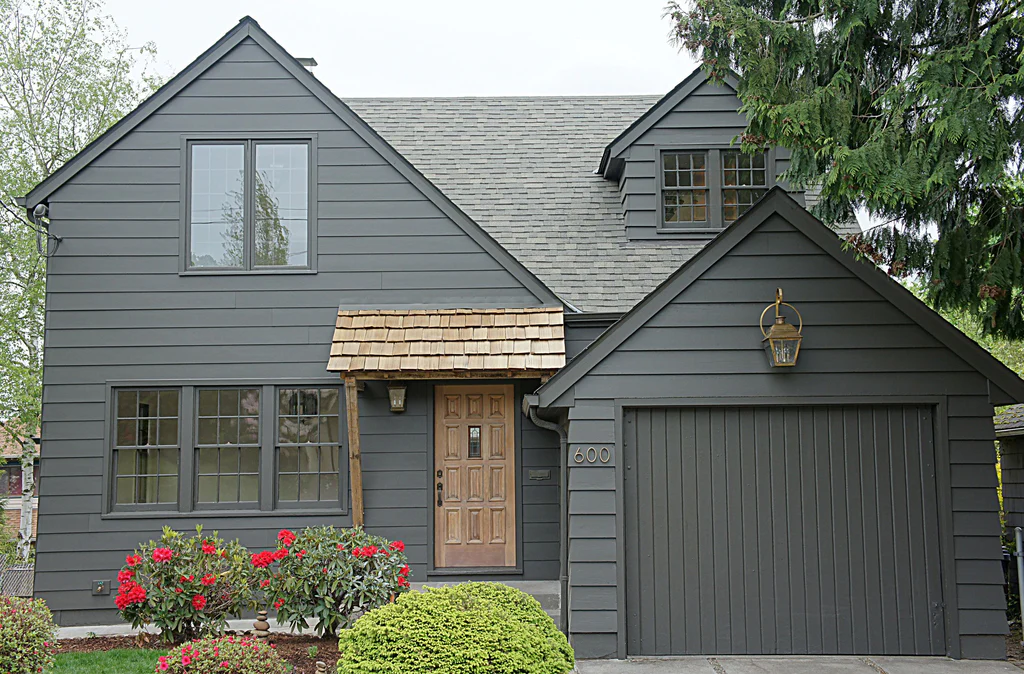
Monochrome
Image by: MONUMENT SHUTTER CO.
Meanwhile, Dulux explained exterior colours help revitalize the appearance of your home and at the same time, add value to your property. Australians’ favourite exterior colours include Tranquil Retreat (exterior), Vivid White (trims), and Colorbond Monument (roof).
With a soft and subtle warmth, Tranquil Retreat is a great neutral to use outside the home. Vivid White is a pure clean white that is perfect for creating a clean, contemporary look. It is the ultimate choice for trims and is also ideal for exterior features such as fretwork and window frames. The crisp freshness of this colour will brighten any space and give it a luxe modern vibe. While the Colorbond Monument is beautiful dark charcoal suitable for both traditional and modern spaces.
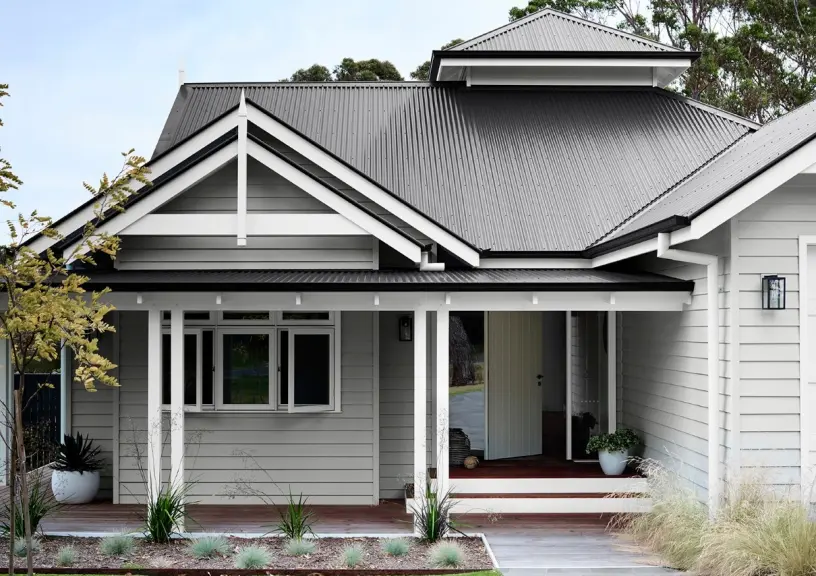
Image by: Dulux
In an article published on Handyman Australia, Shaynna Blaze, brand ambassador and creative director of Taubmans Paint, another paint brand made in Australia, shared the general rule when choosing exterior paint colours. According to Blaze, light colours make a building look larger and are often favoured by traditional classical architecture. Strong, dark colours, on the other hand, can be striking but may also overwhelm architecture and may fade more quickly.
Knowing a thing or two about colours will make it a lot easier for you to select the paint colours you want to apply to your home’s interior and exterior. We get that you are very eager and excited to get started but selecting the paint colours is quite different from painting the house itself. If you are inexperienced or you simply don’t have plenty of time to spare, you can always contact a house painting service near you.

Image by: Sidepost
On this Website, you can quickly book an experienced and licensed house painter that offers interior and exterior painting services. It provides cost-effective solutions that can enhance your home’s value, service pricing that caters to your budget, convenient scheduling and flexible payment options, and a seven-year guarantee. We provide quality house painting services in Melbourne, Sydney, Brisbane, Hobart, Gold Coast, Adelaide, Canberra, Perth, and many other cities in Australia. Some of the painting services we offer include interior and exterior painting, cabinet painting, and fence painting.
Regardless of the service you need, don’t forget to thoroughly review the company just to be sure. It is always better to work with people to whom you can entrust your homes. More than getting your money’s worth, it is also important that they respect your preferences and help you achieve the things you want for your house.
Trending Paint Colours for 2025
Every year, trending paint colours evolve to reflect design preferences, lifestyle shifts, and cultural influences. Here’s what’s gaining popularity in 2025:
Interior Trends
Warm Neutrals: Beige, greige (a mix of grey and beige), and creamy whites are making a comeback for a soft, inviting feel.
Earthy Greens and Browns: Inspired by nature, shades like sage green and warm clay bring warmth and serenity to living spaces.
Muted Blues: Dusty blue and steel blue add a modern yet timeless touch to interiors, especially in bedrooms and bathrooms.
Exterior Trends
Dark, Dramatic Colours: Charcoal, deep navy, and even black are being used for a bold, high-contrast aesthetic.
Soft Greys and Off-Whites: For a classic, elegant look, homeowners are choosing warm greys and off-whites with stone or wood accents.
Nature-Inspired Tones: Muted greens and soft browns blend seamlessly with outdoor environments, perfect for modern farmhouse designs.
Choosing on-trend yet timeless colours ensures that your home remains stylish and appealing for years to come.
So, choose your colours now, ask the assistance of the house painter, and get the job done!